

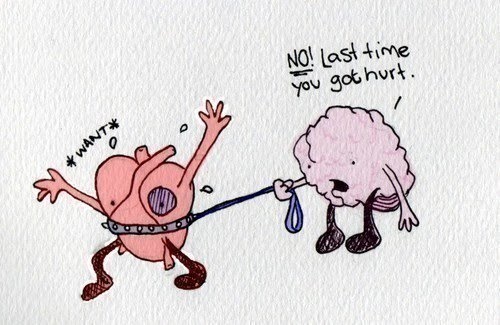
Relationship difficulties do not show how intelligent someone is. Nor does being thoughtful, academically successful or skilled in a particular field establish a standard personality profile.
Claims that intelligent people are automatically more suspicious, emotionally intense, perfectionistic or afraid of commitment can obscure the actual concern. Discuss individual needs rather than using intelligence as an explanation for everything.
Talk about independence directly
Ask how much time each person wants alone, with friends and together. These preferences can vary with circumstances and do not need an intelligence label.
A relationship should leave room for choice and boundaries. If someone is controlling your activities, calling it a response to your independence does not make the behavior acceptable.
Separate caution from assumptions
It is reasonable to get to know someone gradually and check information that affects important decisions. You do not have to rush commitment to avoid “ending up alone.”
If you repeatedly find yourself imagining hidden motives, consider what evidence you actually have and what question you can ask. A feeling is worth noticing, but it is not proof about another person.
Discuss time and priorities
Work, study, caring duties and interests can affect availability. Academic or career success does not establish that someone should settle down later or give romance less attention.
Ask whether your schedules and expectations can work together. Neither person’s priorities need to be treated as a flaw simply because they differ.
Use reflection without endless analysis
You can think carefully and still leave some uncertainty unresolved. Focus on a specific decision or conversation rather than replaying every interaction for a definitive verdict.
If reflection becomes distressing or interferes with life, seek appropriate support. This is not evidence that intelligence is harming your ability to love.
Keep standards realistic and boundaries firm
No partner will match every preference. That does not mean you should lower requirements for respect, consent or safety. Distinguish an ordinary difference from a core incompatibility or harmful pattern.
You do not need to choose between “heart” and “mind.” Feelings and practical information can both inform a decision, without treating intuition as a reliable forecast.
Evaluate the person and the relationship
Notice actual behavior: how you communicate, handle responsibilities and respond to a refusal. For useful prompts, see questions beyond a certainty checklist.
There is no intelligence-based formula for romantic success. You can seek a relationship, take a break or prefer single life without having to explain the choice through a stereotype.
The notion that intelligent people are more suspicious and perfectionist resonates with me. The struggle to balance rational thinking with emotional intuition is a challenge many face. However, the advice to listen to one’s heart is quite significant.
Indeed, the emphasis on emotional intuition is crucial. While rational thinking is a powerful tool, overly relying on it might create unnecessary barriers in forming connections.
I agree. It’s essential to strike a balance between heart and mind. Over-analysis can sometimes prevent us from experiencing genuine emotions and connections.
The article’s point about intelligent people not falling in love easily due to their valuation of intelligence in others is quite thought-provoking. It highlights the importance of shared values and intellectual compatibility in relationships.
The focus on career development as a factor in relationship difficulties is particularly noteworthy. In a world that increasingly values professional success, finding time for personal relationships can indeed be challenging for anyone, not just the highly intelligent.
I found the discussion on perfectionism particularly relevant. The idea that life’s imperfections contribute to its beauty is a valuable reminder. Striving for flawless relationships can lead to unrealistic expectations and dissatisfaction.
The article provides insightful points about the complexities faced by highly intelligent individuals in romantic relationships. It’s interesting to note how their need for independence and tendency to overthink can become obstacles.