

Chakra balancing can be an optional spiritual practice for reflecting on how you feel. In popular seven-chakra frameworks, different centres are associated with themes such as security, expression and connection. These associations are not a medical map of the body, and pain or unexplained illness cannot establish that a chakra is blocked.
Begin with one practical question
Instead of diagnosing an energy blockage, ask what needs attention today. Are you tired, overwhelmed, lonely, or having trouble speaking up? Choose one small response: rest, a conversation, a task you can complete, or qualified support.
Your income, career or relationship difficulties do not mean you have failed to maintain spiritual balance. Some pressures require practical help rather than a ritual.
Try comfortable visualization
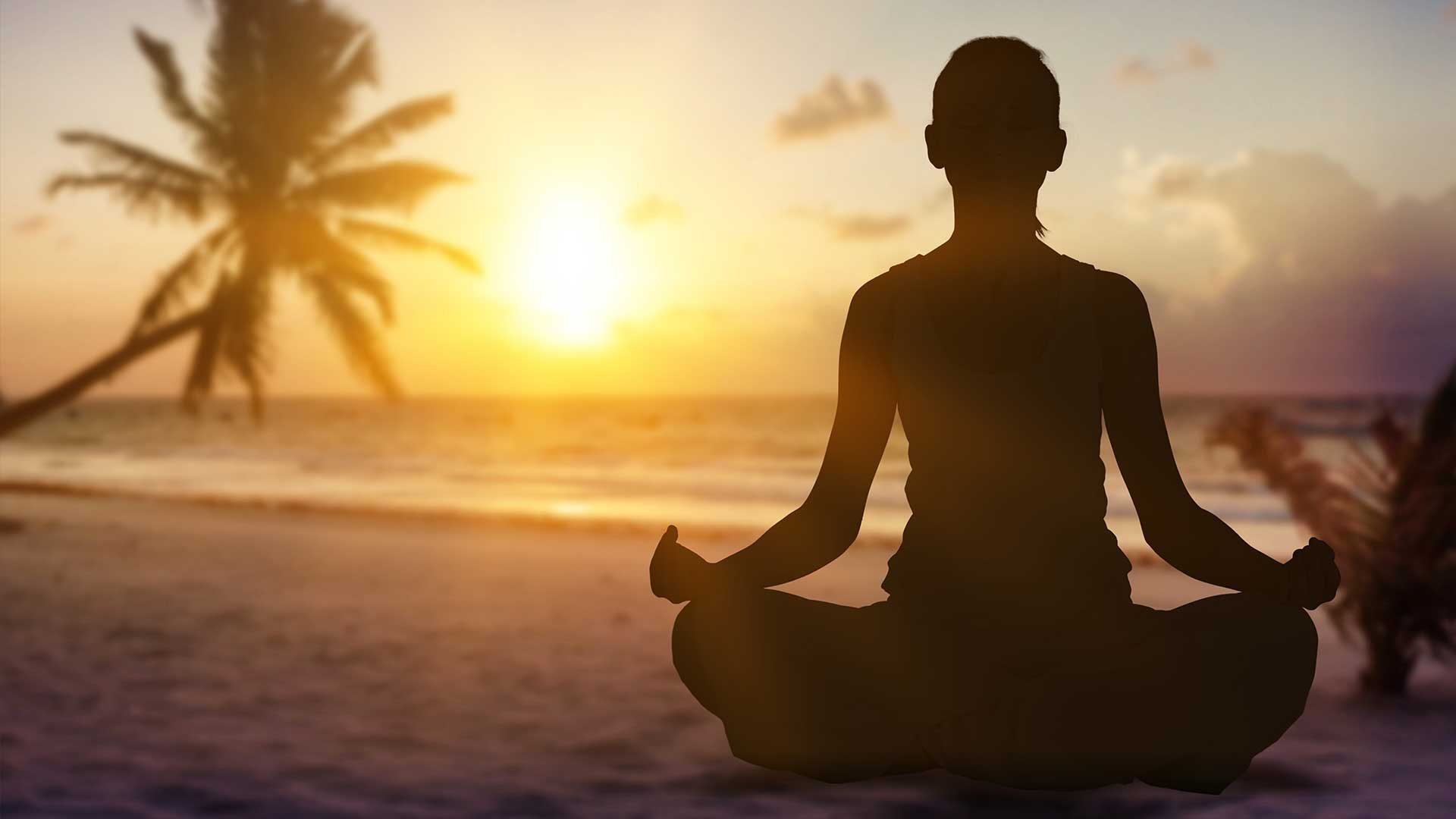
Sit in a position that suits you and breathe normally. Imagine a colour or a calm setting if you find that pleasant. You can keep your eyes open and stop at any time. There is no need to force a sensation or interpret differences between body areas as illness.
Sound, chanting and quiet
A gentle sound or a repeated phrase may be part of your practice. Keep the volume comfortable, avoid straining your voice, and choose silence if that feels better. A sound bath is not established treatment for a blocked chakra or a health condition. Check costs and decline promises of guaranteed healing.
Colours and objects as reminders
A coloured item or a crystal can serve as a personal reminder of your intention. You do not need to buy anything: a drawing or an object you already own works as a prompt. Do not ingest stones or put them in drinking water, and keep small objects away from children and pets.
Keep meditation optional
A short pause, journaling or meditation may help you reflect, but it should not become a demand to feel positive. NCCIH guidance notes that negative experiences can occur with meditation and advises against using it to replace or postpone conventional care. Stop if you feel distressed.
Symptoms need ordinary assessment
A sore throat, physical pain or unexplained sickness should not be labelled a chakra blockage. Seek appropriate medical advice for concerning or persistent symptoms. Difficulty communicating may call for a safe conversation, a communication aid or professional support; it does not prove an energy problem.
Review what helped
After a practice, record what you tried and how it felt. Did it help you identify a useful next step, or did it leave you uncomfortable? You can adjust it or leave it behind. Spiritual reflection should leave room for uncertainty, healthcare and your own choices.
The concept of balancing chakras and using methods like visualization and sound healing is intriguing. It’s fascinating how ancient practices can potentially influence our modern well-being.
The emphasis on daily rituals and maintaining harmony in life resonates with me. It’s a reminder that a holistic approach to health includes mental and emotional wellness, not just physical health.
I find the idea of using colors and crystals to balance chakras particularly interesting. It makes me wonder about the psychological impact of colors and their connection to our physical and emotional states.
Sound healing is a novel idea to me. I’m curious about the scientific basis behind this practice and how different frequencies might affect our energy and overall health.
Chanting and meditation as methods for chakra balancing seem to align well with practices in various cultures and spiritual traditions. It’s worth exploring how these techniques might be integrated into a contemporary wellness routine.
Agreed. The interconnectedness of body, mind, and spirit is a common theme across different healing traditions, making it a compelling area for further research.