

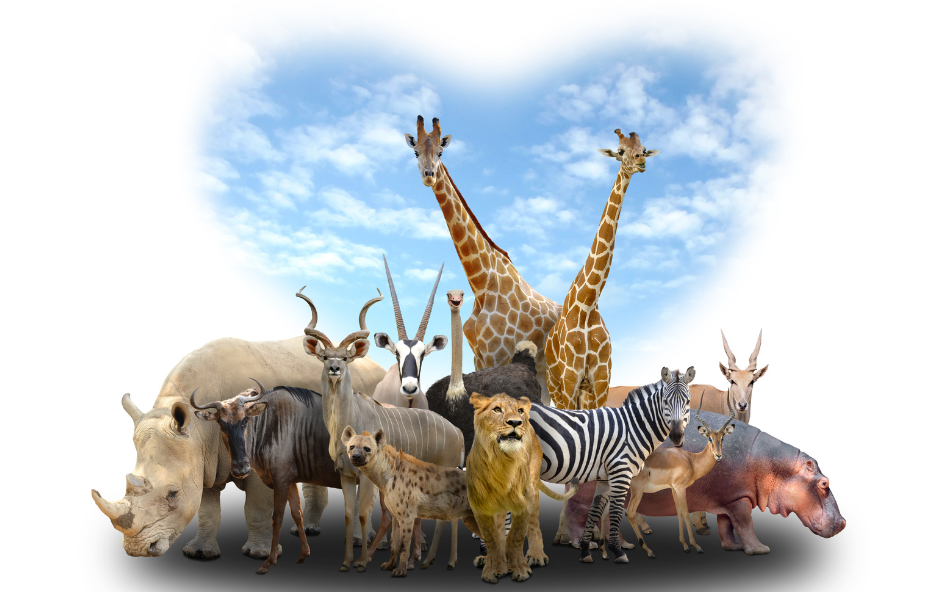
Compassion for animals is expressed through their needs, not just the affection we feel. You can support animals without owning a pet, approaching wildlife or expecting a health benefit in return.
Plan for a Pet’s Long-Term Care
Before bringing an animal home, consider suitable housing, everyday care, veterinary costs, your schedule and the other people or animals in the household. A young animal will grow, and care needs can change.
Choose responsibly rather than assuming affection alone makes the arrangement workable. If you already have a pet, seek suitable guidance before adding another animal.
Respect an Unfamiliar Animal’s Space
Do not assume a pet wants contact because it looks friendly. Ask the owner before approaching and allow the animal space to move away. Never force handling or an interaction.
Supervise children appropriately. An animal that is frightened, tired or uncomfortable needs space, not pressure to accept affection.
Observe Wildlife from a Distance
A wild animal remains wild even if it lives in your yard. Do not feed, touch or chase it, and do not approach just to obtain a photograph.
The National Park Service’s wildlife-watching guidance explains respectful observation. Follow local rules and distance requirements wherever you are.
Support Animal Welfare in Other Ways
You might help a reputable shelter, contribute supplies it actually needs, or volunteer within its guidelines. Check an organization’s work and donation terms before giving.
Choose help that fits your resources. You do not have to adopt an animal or donate beyond your means to show kindness.
Keep Health Expectations Realistic
Companionship can be meaningful, but owning a pet does not guarantee longer life, reduced anxiety or better health. NIH’s overview of human–animal interactions describes mixed research findings and individual differences.
Allergies, costs, stress and care demands also matter. Animals are not substitutes for qualified care, and their welfare should not be sacrificed for an expected benefit to a person.
Let Kindness Be Practical
Provide appropriate care, notice discomfort and respect boundaries. For a concerning change in a pet’s health or behavior, consult a veterinarian rather than relying on a spiritual interpretation.
You do not need a psychic consultation to begin these steps. A thoughtful choice that protects an animal’s well-being is already a worthwhile expression of compassion.
The suggestion to donate to animal-friendly organizations is a practical alternative for those who cannot have pets but still want to contribute to animal welfare.
The article offers some valuable insights into how to be compassionate towards animals. The point about being gentle when approaching strange animals is particularly important for preventing accidents.
Absolutely, giving animals space can help build trust and prevent potential harm.
Indeed, it’s crucial to understand that animals have their own instincts and boundaries that should be respected.
Respecting wild animals by loving them from a distance is a key takeaway. It strikes a balance between admiration and maintaining their natural behaviors.
It’s intriguing how being compassionate to animals can also benefit human health, as mentioned. The link to reduced stress and increased focus is particularly noteworthy.
The idea of dedicating oneself fully to a pet is a reminder that pet ownership comes with considerable responsibilities. It’s not just about the joy they bring but also their long-term well-being.