

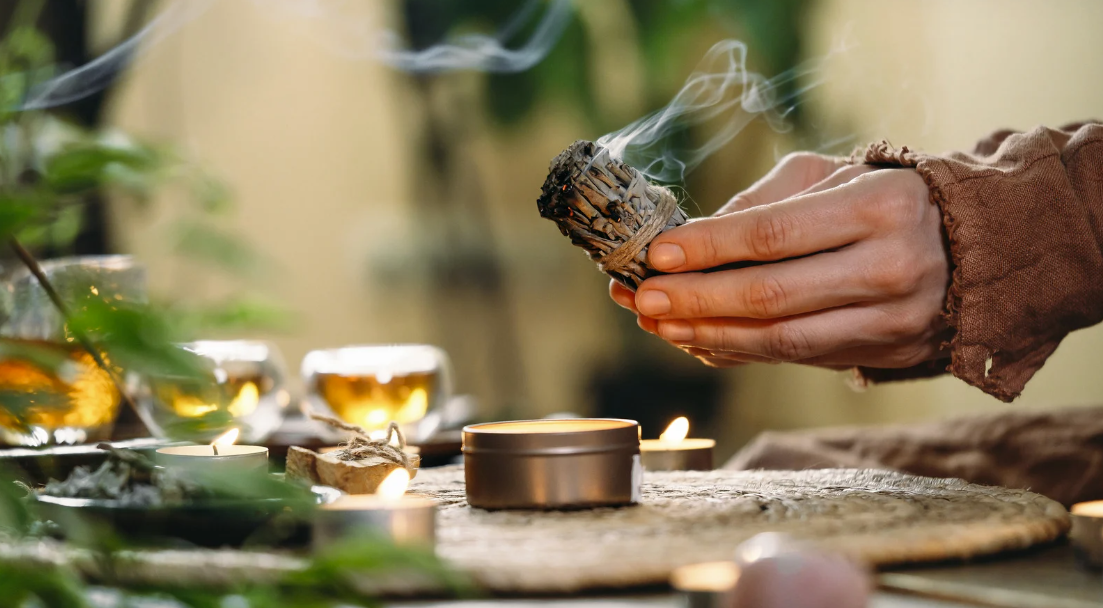
If you want your home to feel calmer, burning white sage is not a requirement. A tidy corner, a quiet pause or a personal reflection can mark a fresh start without smoke. “Clearing negative energy” is spiritual language, not a proven way to remove illness, depression or physical hazards.
Why sourcing deserves attention
White sage, Salvia apiana, is native to southern California and northern Baja California. The California Native Plant Society’s Saging the World project discusses poaching and the ecological and cultural harms associated with commercial demand.
That does not mean white sage cannot be cultivated or that every seller has the same practices. Ask for a clear account of where and how a product was grown and obtained. A vague “ethical” label is not a substitute for traceable sourcing. Do not collect plants from wild habitats without the relevant permission and knowledge.
Respect specific communities, not a generic ritual
White sage has significance for particular Indigenous communities. Their traditions are not interchangeable, and a commercial wellness tutorial cannot speak for all Indigenous people. Learning from Native advocates is different from presenting a purchased bundle as permission to copy a ceremony.
Avoid claims that all Native cultures use sage in the same way or that a ritual universally cures poor health. If you want a personal routine, describe it in your own terms rather than borrowing ceremonial authority you do not have.
Smoke is not an indoor-air treatment
Burning plant material is not a way to disinfect your home or make its air medically safer. The EPA explains that combustion can generate indoor particulate matter. Ventilation does not turn an arbitrary plant into a safe burning material.
Do not follow instructions to burn almost any plant, carry a smoking bundle through every room or leave it to go out unattended. Never disable alarms for a ritual. Choosing not to burn anything is a straightforward option, especially in a shared space.
Four smoke-free ways to mark a fresh start
- Clear one surface. Make a small space easier to use rather than attempting an elaborate ritual.
- Write an intention. Pair it with a realistic action, such as making a call or finishing a task.
- Choose a quiet moment. Sit comfortably, breathe normally and stop if reflection feels upsetting.
- Use ordinary comfort. Enjoy suitable music, a familiar object or a short walk without claiming it removes invisible threats.
You can respect cultural traditions and enjoy a meaningful home routine without buying white sage or promising healing. If discomfort comes from a health problem, an unsafe relationship or a maintenance hazard, address that concern directly.
It’s interesting to learn about the different plants that can be used for cleansing. Alternatives like cedar, juniper, and rosemary offer viable options for those looking to avoid the issues associated with white sage.
Absolutely, using locally-sourced plants can be a more sustainable and respectful practice.
I agree. Plus, growing your own herbs like rosemary can be both practical and rewarding.
The historical significance of white sage in Native American culture is often overlooked. It’s vital to respect and understand the cultural context before adopting such practices.
The ritual of cleansing space has a profound psychological impact, helping people feel more at ease in their environments. It’s not only about the plant but also about the intention and mindset.
The environmental impact of using white sage is a valid concern, especially considering its limited geographical range and slow growth cycle. It’s crucial to explore sustainable alternatives for cleansing practices.
Given the historical struggles Native Americans faced to practice their traditions, it seems only fair that we approach the use of white sage with mindfulness and respect.