

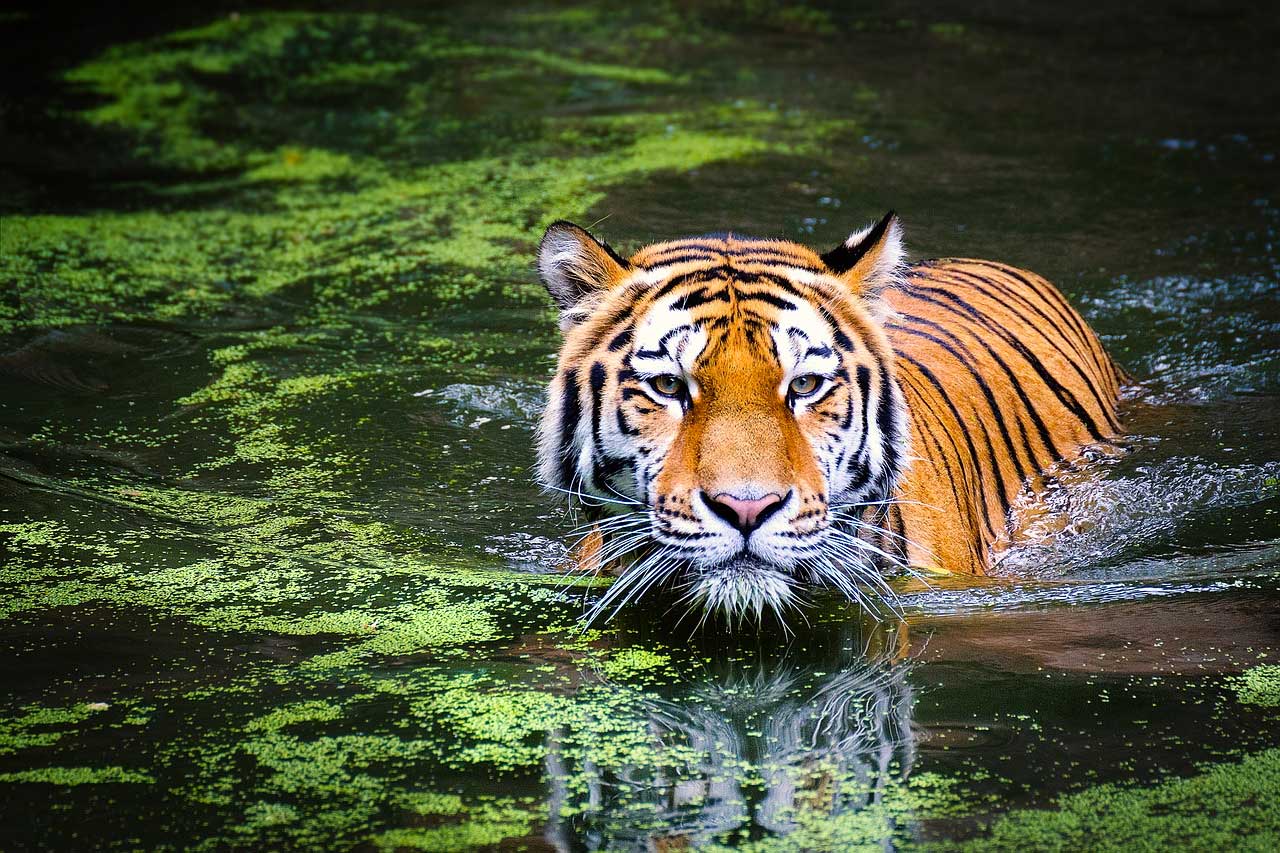
A tiger in a dream can be memorable. You may associate it with strength, danger, beauty or something you recently saw. Those associations can invite reflection, but the dream does not prove that a challenge is coming or that you must face it alone.
Begin with Your Own Associations
Describe the scene before assigning a meaning. Where was the tiger? What happened? How did you feel during the dream and after waking?
Then consider what a tiger means to you. A frightening image may not mean the same thing to someone who remembers a favorite book or a visit to a zoo. A fixed symbol dictionary cannot account for every person’s experience.
Possible Prompts, Not Definite Messages
- A tiger chasing you: Is there anything you are avoiding, or could the scene simply reflect a story or image you remember?
- A calm tiger: What does strength or steadiness mean to you?
- A protective tiger: What support or boundaries would you value?
- A distant tiger: What caught your attention, and what remains uncertain?
These are optional questions, not interpretations that must be true. A friendly tiger is not a cosmic green light, and an aggressive one does not establish that another person intends harm.
Animal Facts Are Different from Symbolism
The Smithsonian’s National Zoo describes tigers as generally solitary and territorial, with important communication behaviors. That animal behavior does not prescribe how a person should deal with stress or relationships.
You do not need to handle a problem alone because a tiger hunts alone. Asking for support can be a sensible response. Real tigers also face threats such as habitat loss and poaching; an image of invincibility should not erase their conservation needs.
Tigers in Cultural Context
The tiger is one of the animals in the Chinese zodiac’s twelve-year cycle, as illustrated by the Metropolitan Museum of Art’s Year of the Tiger exhibition. That tradition should not be treated as proof that everyone born in a particular year has the same personality.
Likewise, do not present one universal “totem” system as the meaning of every tiger dream. Learn cultural meanings in their specific context rather than treating them as interchangeable personal labels.
Use the Dream Lightly
Write down one possible meaning and one alternative. If the reflection suggests a useful action, judge it by everyday facts and consequences. A dream reflection worksheet can help keep that distinction clear.
You are free to enjoy the image, explore it or leave it unexplained. It does not require a prediction, a purchase or a risky decision.
The connection between dreams and subconscious reflection is quite fascinating. The idea that a tiger dream could act as a harbinger of personal challenges or growth opportunities makes for a compelling read.
Reflecting on one’s dreams in the manner suggested by the article could be a useful tool for self-improvement. The specific advice provided for interpreting various tiger scenarios adds practical value to an otherwise abstract concept.
The sections on tiger traits as both a spiritual totem and in Chinese astrology highlight the broad cultural significance of this animal. It’s intriguing to see how different traditions converge on similar themes of strength and independence.
I’ve never considered the symbolism of animals in dreams to this extent before. The detailed breakdown of the tiger’s traits provides an interesting perspective on how we can interpret our own dreams and subconscious thoughts.
The article’s emphasis on balancing solitary strength with social connectivity is thought-provoking. It offers a nuanced approach to handling personal and professional challenges, especially through the metaphor of the tiger.