

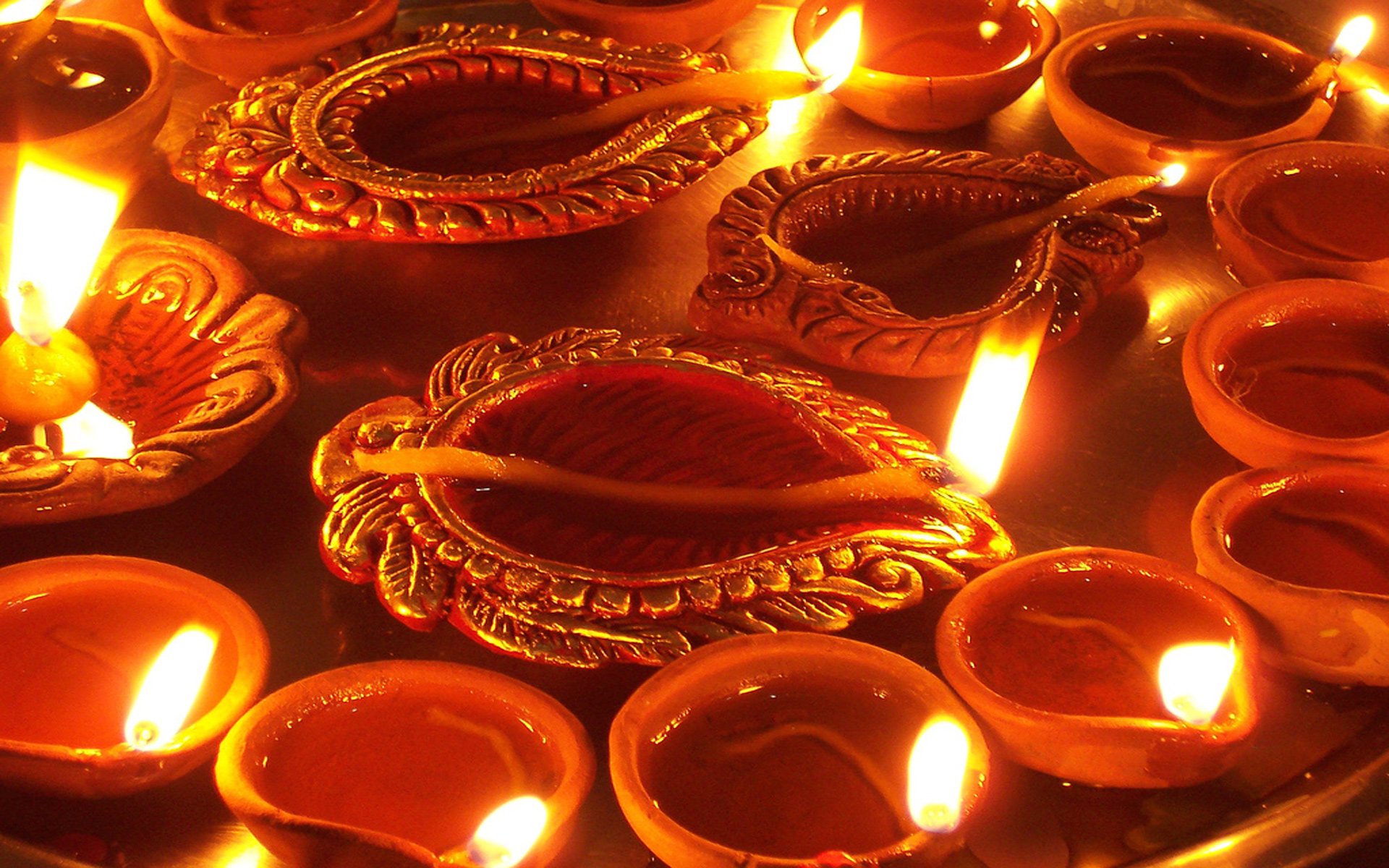
Diwali, also called Deepavali, is widely known as a festival of lights. It is celebrated in India and in communities around the world. Religious meanings and customs vary; one family’s observance should not be treated as the pattern for everyone.
Light and Hindu Traditions
The Hindu American Foundation’s Diwali toolkit explains the name through rows of lamps and describes themes of light overcoming darkness and good overcoming evil. In some Hindu traditions, celebrations recall Rama and Sita’s return; worship of Lakshmi is also important in many observances.
Families may light diyas, gather for worship, exchange sweets or decorate with rangoli. The particular stories, sequence of days and household practices differ by region and community.
When Does Diwali Take Place?
Its date follows a lunar calendar and changes from year to year, usually falling in October or November. Celebrations are often described as lasting five days, but schedules and related observances vary.
For an event you plan to attend, check the host’s current calendar. A local gathering may occur on a convenient weekend rather than the main religious date.
Distinct Jain and Sikh Meanings
For Jains, Diwali commemorates Mahavira’s attainment of liberation. JAINA explains this significance in its Diwali resources. It should not be reduced to the same narrative used for a Hindu celebration.
Sikh observances in this season include Bandi Chhor Divas. The Sikh Coalition’s educational guide describes it as commemorating Guru Hargobind’s release from imprisonment alongside other prisoners. Its meaning is distinct, even where celebrations share lights or a similar time of year.
If You Are Invited
Ask your host about dress, food, gifts and participation rather than guessing. There is no single rule about what every celebrant eats or how every family exchanges gifts. Sweets may be welcome, but check dietary requirements before bringing food.
Be respectful around prayer and sacred objects, and ask before taking photographs. An invitation to a public event does not mean every ritual is open for visitors to lead or reproduce.
Celebrate Safely and Without Pressure
Follow the venue’s safety rules around lamps and decorations. Do not leave flames unattended or assume a lamp must burn for days. Choose a flameless option where open flames are unsuitable.
You do not have to buy gold, borrow money or spend beyond your budget to show respect. Learning from the community hosting you and following its guidance is a better starting point than treating a festival as a promise of wealth or spiritual energy.
The practice of giving gifts during Diwali, including practical items like food, candles, and utensils, underscores the festival’s emphasis on generosity and community. It’s a holistic approach to celebration, integrating material and spiritual aspects.
The notion of cleaning the home to receive blessings during Diwali is similar to other cultural practices that emphasize purity and preparation for important spiritual events. It reflects a universal human tendency to seek cleanliness in conjunction with auspicious occasions.
The account of Diwali’s timing and its alignment with lunar cycles offers a glimpse into how traditional festivals are intertwined with natural phenomena. It’s a reminder of the deep connection between cultural practices and the environment.
The detailed description of Diwali provides a good insight into the significance and traditions of this culturally rich festival. It’s interesting to see how the festival connects with themes of light and spiritual awakening.
The comparison to Halloween is intriguing, though the festivals have different cultural contexts. Diwali’s focus on light and the defeat of darkness as a metaphor is quite profound.